
Love Meh Do
The Beatles should have kept this one in the vault

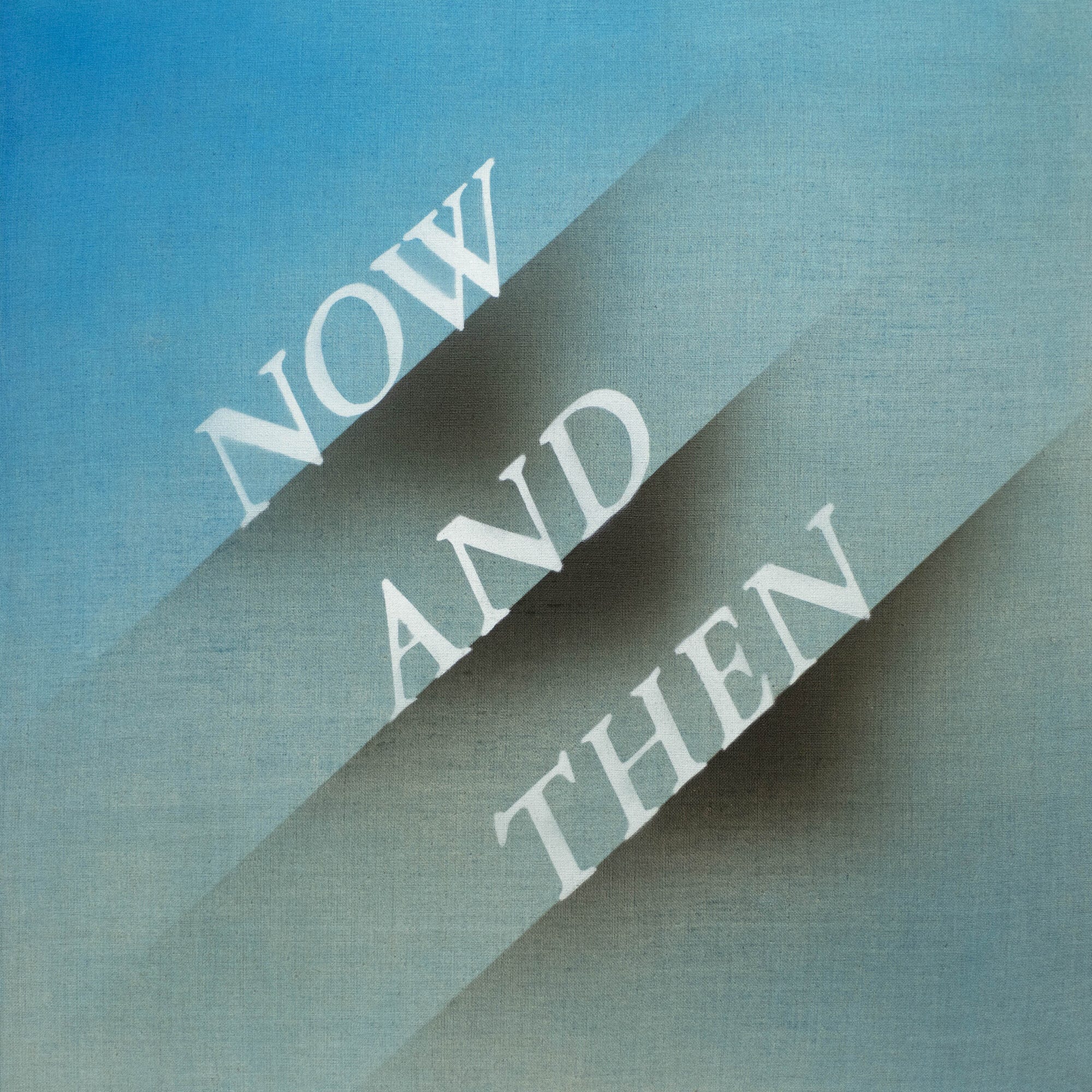
God knows I love The Beatles. They’ve been a huge part of my consciousness for most of my life, going all the way back to the TV promos for their second movie, Help!, which came out when I was eight. I wasn’t tuned in and turned on musically yet, but something about the vibe appealed to me, and I sampled more of it on the mid-‘60s cartoon series featuring the Fab Four. It wasn’t till ’68, though, when the single “Hey Jude/Revolution” came out, that I became obsessed with them and understood I’d be a perma-devotee. It was a revelation.
I’m sorry to report today that I’m not a fan of the new (and final) Beatle song, “Now and Then.” On first listen, it hit me like a bucket of tepid broth.
The result is mediocre, it pains me to admit.
The backstory is that the surviving Beatles had the cassette demo in hand back in ’94 when they were working on two other Lennon demos, “Real Love” and “Free as a Bird,” but the quality of the tape was too poor to do much with. It wasn’t until AI technology was developed that could isolate the vocals from the piano (used by Peter Jackson in the Get Back documentary) that the song could be properly mixed and augmented with new instrument tracks: Paul’s bass, Ringo’s drums, and even George’s guitar solo recorded in ’94. Giles Martin, George Martin’s son, scored a string section as well.
The result is mediocre, it pains me to admit. The lyrics fit the period in which John Lennon wrote the song—vapid, thrown together and without any depth of inspiration. I know it’s true/It’s all because of you/And if I make it through/It’s all because of you.
It’s hard to know if Lennon was taking the song seriously at the time or just mucking about on the piano, but compared with his better solo efforts like “Imagine” or “Remember,” this one pales. It’s possible he was using these lyrics as placeholders, but because he never made a studio recording of the song, we’ll never know his intentions. Instead we’re stuck with the first draft.
Paul, Ringo, and Giles made a valiant effort production-wise to fill the piece in, but it feels artificial. I can imagine conversations in which the artists said, “We need to make it feel more like a Beatles song.” And this is where humans can be as bad as AI. If a new Beatles song can be said to sound “Beatle-esque,” it must not be a true Beatles song. It’s a facsimile. “Now and Then” strikes me as exactly what it is: ex-Beatles trying to create the illusion of a new Beatles song.
Objectively, there’s nothing special about it, nothing compelling, nothing even worth analyzing. That was the magic of Beatle songs: You analyzed them.
Is there something to appreciate in “Now and Then”? For me it represents little in and of itself other than a novelty. Objectively, there’s nothing special about it, nothing compelling, nothing even worth analyzing. That was the magic of Beatle songs: You analyzed them. You combed through them and listened for details. You could hear new things on each listen, and even now I can pull up an oldie like “Strawberry Fields Forever” and find something to dwell on (today, Ringo’s throbbing kick drum).
John Lennon phoned in “Now and Then,” and the corporate entity now known as “The Beatles” (Apple Corps) threw some lipstick on it and sent it out into the world to keep the brand relevant. The track is being added to the “Blue” album, which probably ought to be retitled “1967-2023.”
If there is something to appreciate about it, I’m going to say it’s a certain wistful sentimentality that’s not quite nostalgia but maybe more along the lines of savoring what we had and being content, ultimately, that it was there to be had at all. Those guys really were something.
Hearing Lennon’s crepey, processed voice now, along with the hype surrounding the new release, is only a reminder that more might not have been as magical as we’d become accustomed to.